
Single Hole vs. Widespread Faucets: Which is Best for You?
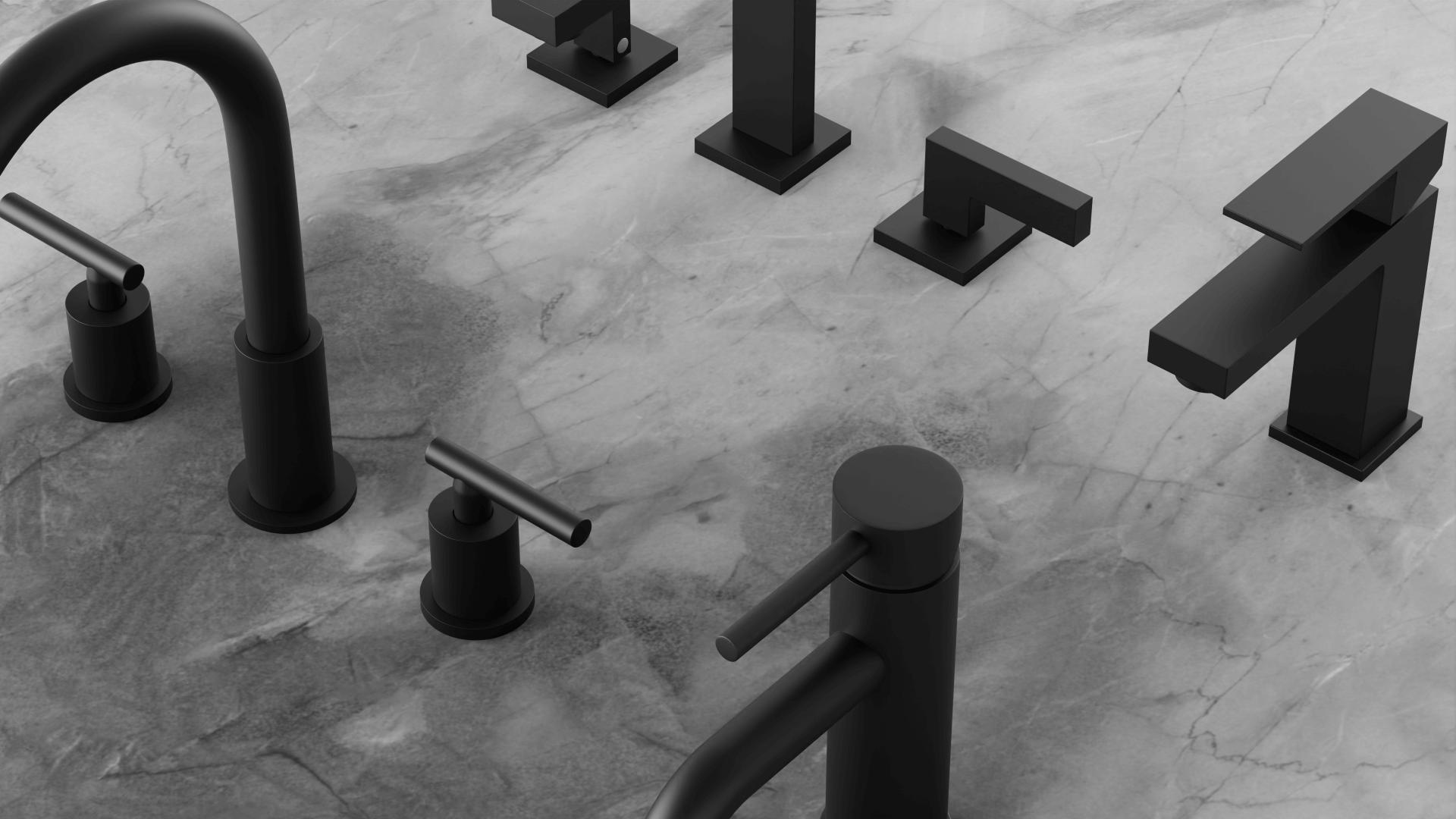
When choosing the right faucet for your bathroom, the single hole vs. widespread debate often takes center stage. This decision boils down to design, functionality, and personal preference. Both single hole faucets and three-hole (or widespread) faucets have their own advantages and disadvantages. Let’s dive in to help you decide which is best for you.
Single Hole Faucets
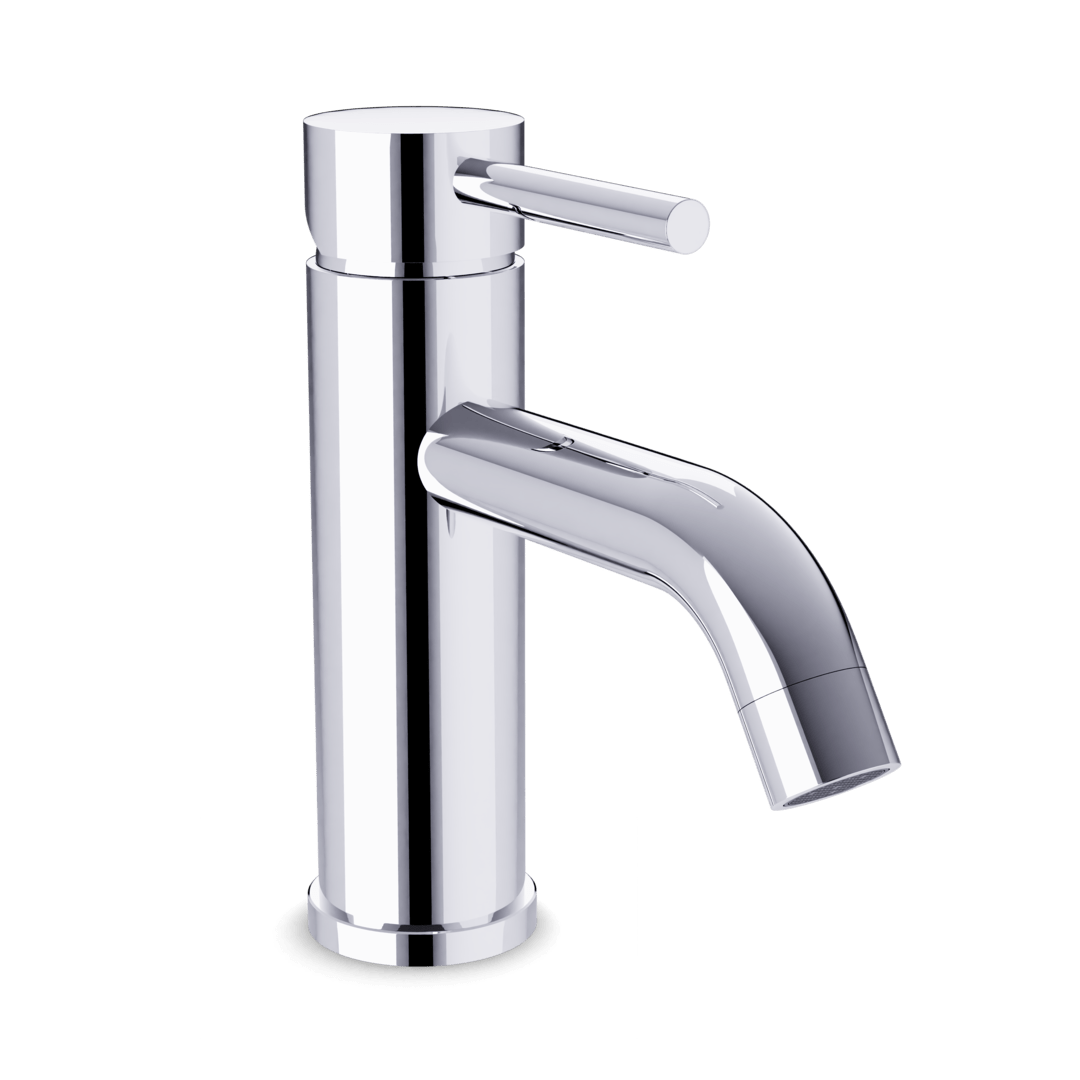
As the name suggests, a single hole faucet is installed through just one hole in the countertop or sink. This design typically merges the spout and the handle into one cohesive unit.
Pros
- More Straightforward Installation: The single hole design simplifies the installation process. With only one hole to deal with, there’s less room for error. This often leads to reduced labor time and associated costs.
- Sleek Design: The minimalist design of single hole faucets perfectly matches contemporary spaces. Their streamlined appearance ensures a clean and uncluttered look, enhancing the overall aesthetics of the bathroom.
- Space-Saving: Given their compact nature, single hole faucets are ideal for smaller sinks or countertops. They ensure that the faucet complements, rather than dominates, the space.
- Easier Cleaning: The integrated design means fewer nooks and crannies where water can collect. This reduces the chances of mold, grime, or mineral deposit buildup. Maintenance is comparatively a breeze with single hole faucets.
- Integrated Design: The fusion of the handle and spout in many models ensures a harmonious look. This provides a sense of unity and design continuity.
- Cost-Effective: Generally, single hole faucets are more budget-friendly. This cost-effectiveness extends from the product’s price to the reduced labor costs associated with its installation.
- Fewer Leak Points: A simpler design with fewer connections inherently means fewer potential leak points, ensuring longevity and reduced maintenance.
Cons
- Limited Styles: While numerous designs are available, the range might not be as extensive as widespread faucets, potentially limiting customization options.
- Harder to Switch Designs: Transitioning from a single hole to a widespread faucet in the future might necessitate countertop modifications, making the switch more challenging and potentially costly.
- Limited Adjustability: A single lever or handle means you’re simultaneously adjusting water flow and temperature. This process might require a bit of a learning curve to achieve the perfect balance consistently.
Three-Hole (Widespread) Faucets
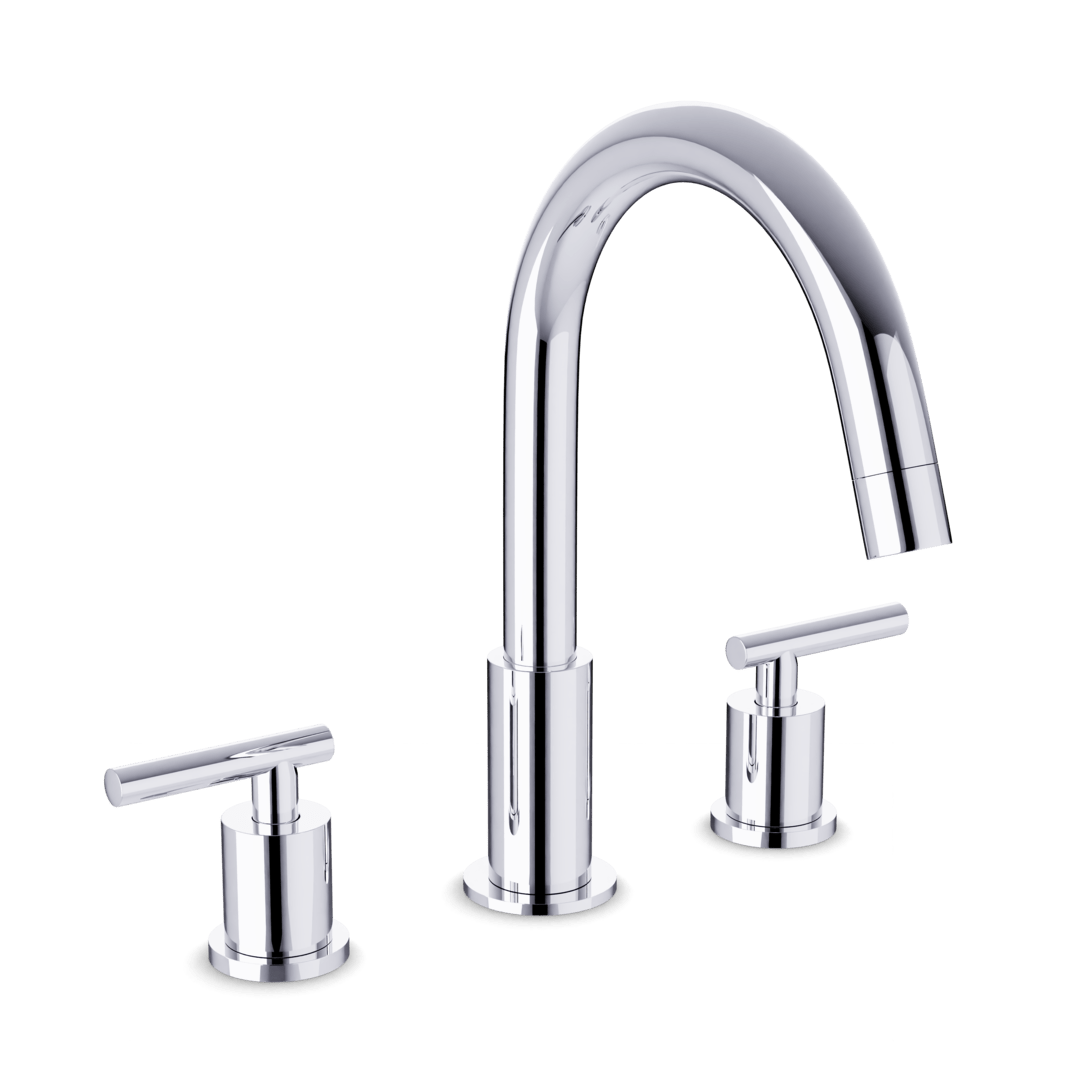
A 3 hole faucet, often referred to as a widespread faucet, requires three separate holes in the countertop or sink: one for the spout and two for the hot and cold handles. These components are distinct from each other.
Pros
- Variety of Styles: From vintage charm to ultra-modern designs, the options with widespread faucets are vast. This variety lets homeowners find the perfect match for their bathroom’s aesthetic.
- Ergonomics: The clear separation of hot and cold handles provides intuitive temperature control, allowing users to achieve their desired water temperature with minimal effort.
- Easier Repairs: The distinct components mean that if one part (like a handle) malfunctions, you can replace it without dissasembling the entire faucet setup.
- Customizable Spread: The independent nature of the components allows homeowners to adjust the spacing between them, offering flexibility in aesthetics and function.
- Separate Temperature Control: The dual handles ensure precise temperature adjustments, minimizing the risk of unexpected hot or cold water surges.
- Easy to Switch Designs: Cover plates are available to seamlessly make the switch for those transitioning from a 3 hole setup to a single hole faucet.
Cons
- Complex Installation: The need to align and install multiple components can complicate the installation process, potentially leading to increased labor costs.
- Takes Up More Space: The separated design can occupy more real estate on the countertop, which might not be ideal for smaller sinks or bathrooms where space is at a premium.
- More Cleaning: The distinct components mean more edges and spaces where water can collect, potentially leading to more frequent cleaning sessions to prevent mold or mineral buildup.
- More Potential for Issues: With more components comes the potential for more maintenance concerns over time, from leaks to wear and tear.
Conclusion
In the single hole vs. widespread faucet debate, the right choice hinges on design preferences, space constraints, and budget considerations. Both options present unique benefits tailored to various needs and aesthetics. You can select a faucet that seamlessly complements your bathroom’s design and functionality by evaluating the detailed pros and cons based on your specific situation.
Explore Borhn’s range of single hole and 3 hole faucet options to find your perfect match.
You might also like

Get in touch
Have a question or need something bespoke?
Enter your details and one of our experienced team members will get back to you shortly.


